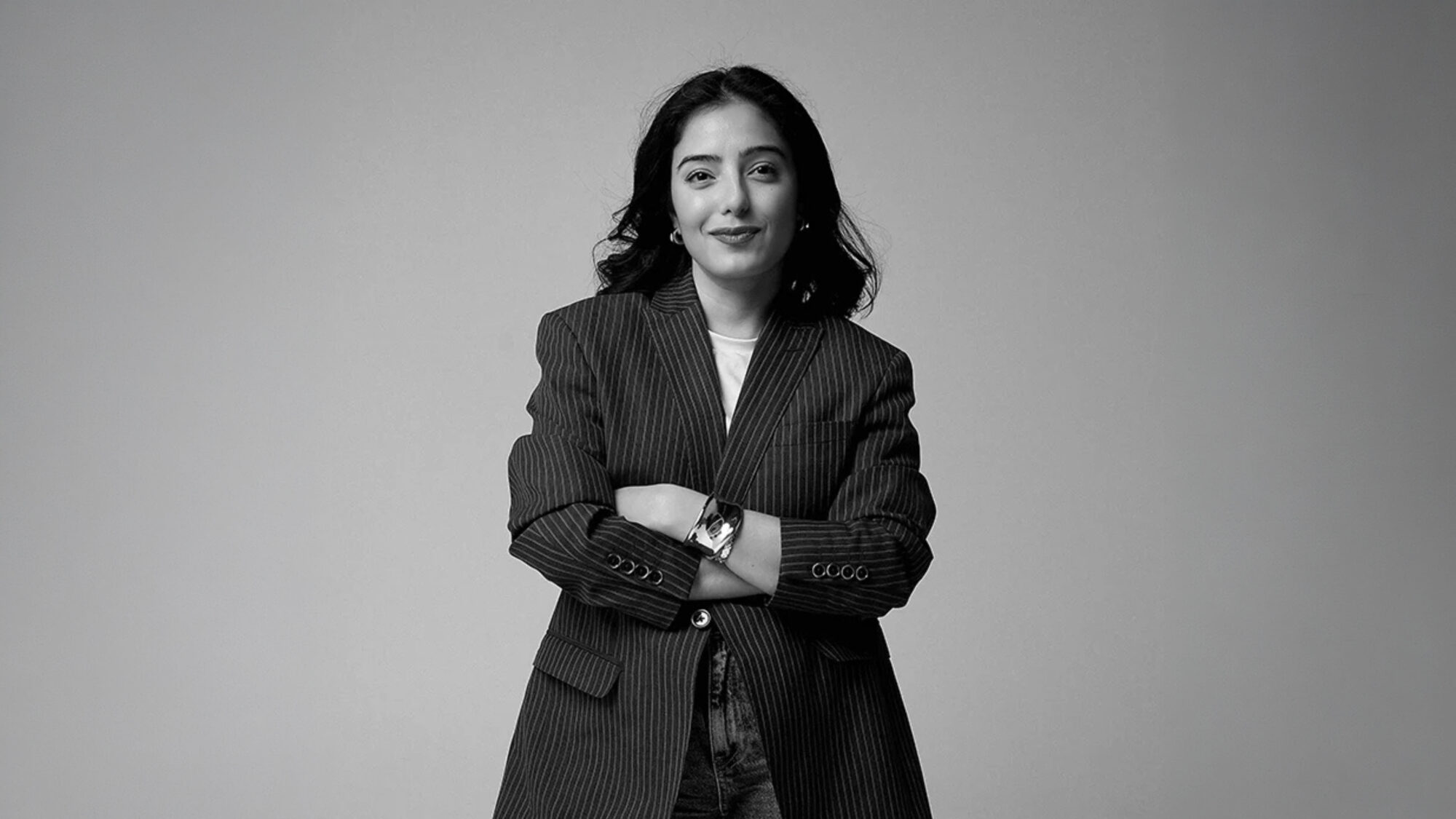
MCH Global’s Saheba Sodhi reveals the new weight of experiential – the move from one-off moments to experiences centred in meaning – and what that shift demands of the industry.
Events and experiential marketing, which is known to be an industry built on novelty, is facing an uncomfortable truth. Despite unprecedented investment, scale and frequency, many experiences today are failing to leave a lasting mark. Calendars are packed, attendance remains high, and social reach is easily achieved. Yet the emotional shelf life of most experiences is shrinking.

We are producing more experiences than ever before, yet fewer of them feel meaningful, memorable or worth returning to. This is the experience paradox shaping the market: abundance without resonance. It is not that audiences no longer care about experiences; it is that they have become far more selective about which ones deserve their time, attention and emotional energy.
As we look ahead to 2026, this paradox is forcing a recalibration. Not toward more activity or spectacle, but toward experiences designed with intention, depth and consequence. What is emerging is not simply the next iteration of the experience economy, but a transition, where experiences are expected to endure, matter and do real work in the world.
Enter the IP era of creativity
One of the most defining shifts underway is the move toward intellectual property (IP)-led experiential. Experiences are no longer conceived solely as expressions of a broader campaign. Increasingly, they are being built as intellectual property in their own right, with recognisable formats, narrative depth and the ability to evolve over time.
The strongest creative leaders, chief marketing officers (CMOs) and brand heads are already shifting from isolated moments to world-building principles. We are seeing ecosystems emerge across product, content, retail, experience and partnerships, supported by recurring cultural platforms, destination-anchored festivals and long-running sport-entertainment formats.
The experience itself is becoming the asset. IP reduces disposability. It builds familiarity, rewards return and allows meaning to compound over time. In 2026, experiential value will be judged less by immediate impact and more by how effectively an experience can live, grow and remain relevant within a brand or cultural ecosystem.
From activation to experience infrastructure
Experiential is also moving beyond marketing into the realm of infrastructure. Across markets such as the Middle East, experiences are increasingly being used to shape city identity, attract talent, drive tourism and signal global relevance. These are not seasonal activations; they are long-term platforms operating at the intersection of culture, economy and reputation. For brands, this marks a fundamental shift.
Presence alone is no longer sufficient. The questions have moved from ‘how do we show up?’ to ‘what role do we play?’ and ‘what are we enabling?’. Experiences are now expected to contribute meaningfully to wider cultural and economic agendas, rather than simply occupy space.
Experiential accountability across the value chain
As experiential takes on greater responsibility, accountability must be understood as more than metrics of attendance, it is also about bravery, narrative clarity and intent. The industry is entering a phase of maturity where scale alone is no longer impressive. Spectacle without story, or technology without meaning, quickly becomes noise.
Accountability now demands that experiences take a position and justify why they exist in culture. In 2026, experiences will increasingly be judged not only by who attended, but by the strength of the story they told, the courage of the choices they made and what they stood for and how they created value.
The chosen analogue, back by popular demand
Another notable shift is the return of the chosen analogue. This is not nostalgia, nor a rejection of technology. It is a deliberate response to saturation, bringing back loved symbols from different decades. As digital stimuli intensify, physicality, materiality and presence are being used with greater intent.
In 2026, analogue will move beyond decorative gestures and begin to shape pivotal spaces within experiences; objects that anchor memory, environments that encourage pause and rituals that foster connection. In an always-on world, these tactile moments are grounding and increasingly differentiating.
AI moves into the role of the XP OS
At the same time, creative technology is settling into a more nuanced role. In 2026, artificial intelligence (AI) will move towards greater function, showing up as an experiential operating system (XP OS). AI will increasingly support creative scenario-building, future mapping, providing insights from synthetic users, being a curatorial voice in the room.
It will help moderate flow, shape narratives in real time and enable personalisation at scale. Used well, AI will not replace human-centred design, but expose where its boundaries genuinely exist, reducing friction, sharpening intent and bridging the unmaginable.
What’s next: Transformation always, in all-ways
Taken together, these shifts signal a clear transition. We are moving beyond the experience economy and deep into the transformation economy, a phase where experiences are expected to carry sustained value across brands, cities, institutions and culture. Experiential is no longer treated as a moment in time, but as a long-term asset. It shapes how brands grow, how destinations compete, how enterprises express value and how creative ecosystems are built.
The year ahead is not about doing more experiential. It is about doing it with clarity, restraint and intent. In 2026, the experiences that matter will be the ones strong enough to be carried forward … long after the lights go down.
By Saheba Sodhi, Global Head of Strategy and Experiential, MCH Global.